The flickering glare of a screen illuminates a room plunged in gloom. With a single click, a fragment of Horror anonymity travels across thousands of kilometers of fiber optics, settling silently into the mind of an unsuspecting reader. There is no need for the monster to possess physical fangs, nor for the Phantom to inhabit an abandoned house; the true habitat of contemporary horrors is the digital rumor, the whispered warning in obscure forums, and the collective paranoia that feeds the networks.
I. The Anatomy of Modern Fear
The legends urban legends are not mere midnight tales invented to amuse children around a dying bonfire. They are complex cultural organisms, narrative mutations evolving at society's relentless pace. From ancient myths of creatures stalking the woods to the harrowing accounts of miraculous computer viruses and mobile apps designed to steal their users' souls and data, the common denominator remains unchanged: the visceral need to explain that which we cannot comprehend.
The dread deepest within the human soul is not the darkness itself, but what technology and imagination are capable of projecting into it.
At the heart of every myth modern tale beats a grain of truth, wrapped and distorted by successive layers of human exaggeration. A tragic event or an unfortunate coincidence is transformed, through oral and digital repetition, into a universal warning. The Boogeyman has traded his coat for an invisible algorithm, but the shudder down the reader's spine remains precisely the same as the one our ancestors felt before the shadows of the primordial fire.

II. In the Gloom of the Digital Age
Never in human history had falsehood and mystery found soil so fertile for their propagation. The current information age has, paradoxically, become the paradise of disinformation. Social networks act as particle accelerators for fiction; an alarmist tale regarding imminent peril can cross entire continents within minutes, eluding any filter of rational verification.
People do not share these tales solely out of naivety; they do so because they satisfy a deep psychological need. Urban legends serve as release valves for collective anxiety. They allow a hyper-connected yet profoundly isolated society to explore its most intimate fears—the loss of control, the invasion of privacy, obsolescence before fathomless technology—under the fictitious security that these things only happen to others.
III. The Fracture of Certainty
Yet the impact of these narratives transcends mere entertainment or psychological catharsis. When an Legend urban legend manages to disguise itself as verified news, the consequences can be devastating. Entire communities have been shaken by the moral panic stirred up by false alarms, and the reputations of the innocent shattered by rumors spreading with the speed of dry gunpowder.
Combating this phenomenon requires neither exorcisms nor the banning of fantasy, but rather a rigorous exercise in critical literacy and healthy skepticism. Across the vast network, truth remains hidden in plain sight, buried beneath avalanches of content engineered to shock rather than inform. Unraveling it demands patience, analysis, and the courage to question that which seems too perfect—or too terrifying—to be real.

📜Investigation • Frequently Asked Questions
Documentary Archive and Analysis of the Occult • Relatando.com
What origin or documented testimony inspired the earliest urban legends?
Many urban legends are born from real incidents, often tragic accidents or unsolved crimes, which popular culture distorts over time to transform them into moral lessons or universal warnings.
What are the signs or anomalies that precede the viral spread of a digital myth?
They are typically characterized by urgent calls to action, direct appeals to emotional fear, a lack of verified journalistic sources, and a narrative design that mimics the urgency of impending tragedy.
Is there any documented psychological explanation for why we believe in these stories?
Yes, evolutionary psychology suggests we are hardwired to pay heed to potential threats. Urban legends act as mental simulators allowing us to rehearse responses to unknown dangers.
How does contemporary folklore react to the arrival of artificial intelligence?
Modern folklore has shifted classic terror toward invisible technology: algorithms that spy, digitally hijacked identities, and the dehumanization provoked by machines that seem to acquire a consciousness of their own.
Do not extinguish the light yet...
If you have had the courage to make it this far, we have other dossiers that will test the limits of your sanity.

Terms and Figures of this Tale
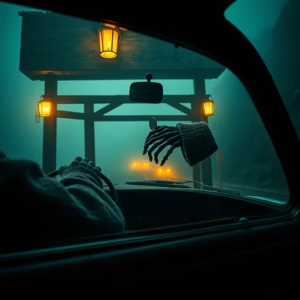
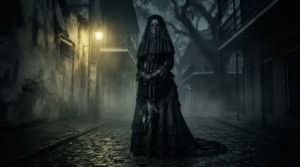
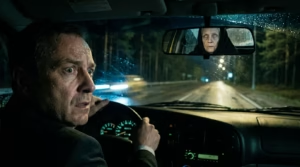
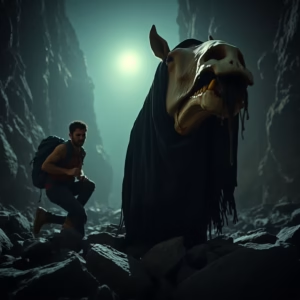
To delve deeper into the legends, creatures, and dark concepts that inspire this account, consult their entries in our dictionary of the uncanny:


Tu correo no se publica ni se comparte con terceros: solo sirve para notificar la respuesta.