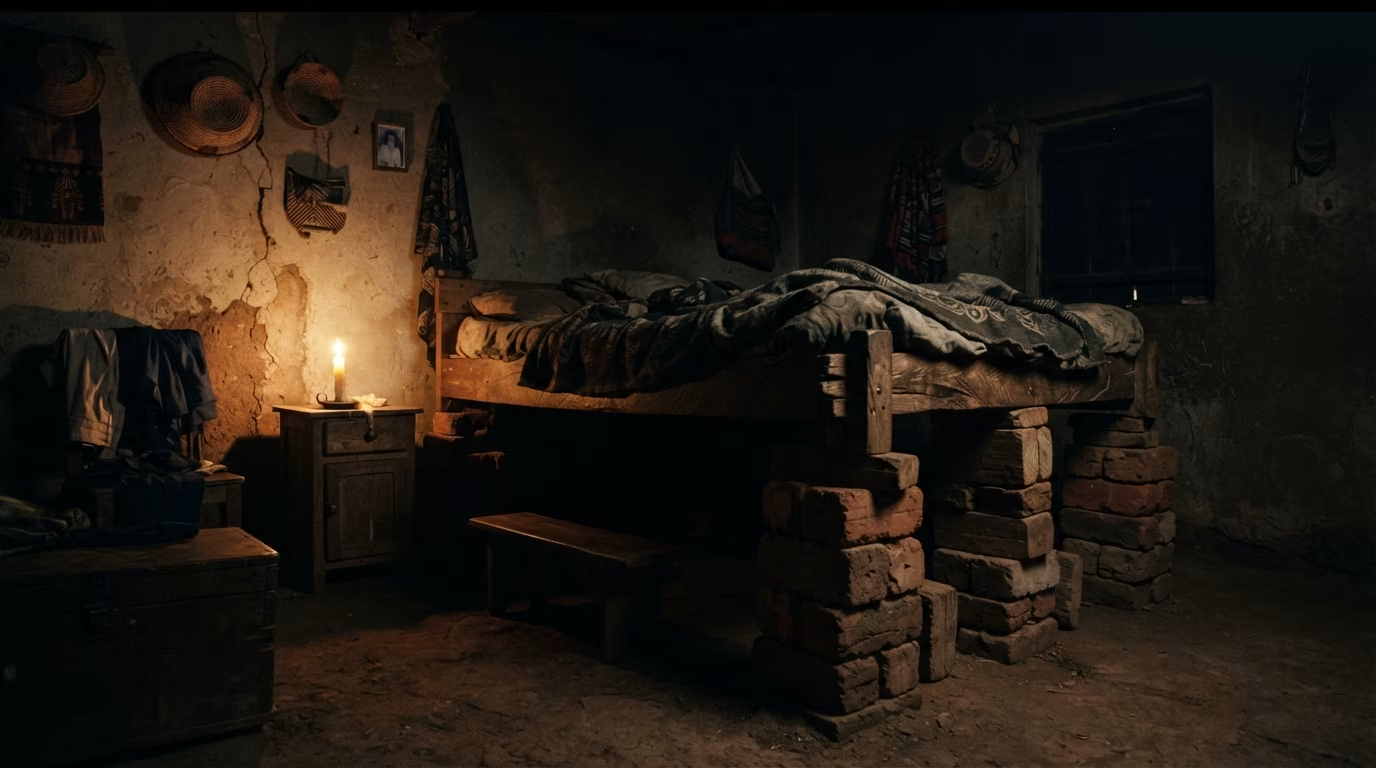
The Tikoloshe It is a creature minute and malevolent fixture of Zulu folklore, commonly bound to witchcraft and nocturnal vengeance. To defend against its attacks while asleep, a deeply rooted custom persists across Southern Africa of elevating beds by placing bricks beneath the posts, striving to prevent the entity from reaching the mattress.
The Origin of the Myth and the Earliest Chronicles
When one ventures into the deepest recesses of Zulu oral tradition, one discovers a universe where the boundaries between the tangible and the invisible blur with startling ease. It is here that the figure of the Tikoloshe is born—known in some regions as the Tokoloshe—a diminutive, furry being of mischievous nature but profoundly malignant. According to ancestral belief, this spirit does not rise spontaneously from nature, but is summoned and shaped by dark rituals, by ill-intentioned healers, or by people consumed with resentment seeking to settle scores with their neighbors. I have spent entire nights poring over the field notebooks of early twentieth-century anthropologists, and it is fascinating to confirm how the figure of this mischievous goblin—capable of turning invisible by blowing upon a piece of wood or swallowing certain potions—has remained unchanged in the collective imagination.
British colonial chronicles, frequently steeped in a condescending skepticism that failed to mask the palpable nervousness of the soldiers themselves, already recorded tales of this elusive sprite. The accounts spoke of an entity standing barely half a meter tall, endowed with a disproportionate strength and a cunning worthy of a seasoned cardsharp. It was not merely a Legend meant to frighten children after dark; it formed part of a highly complex system of legal and moral beliefs. Within traditional South African courts, the dread existence of the Tikoloshe has been formally invoked on numerous occasions to account for neighborly disputes, sudden deaths, or episodes of mass hysteria. Indeed, to truly grasp this phenomenon, we must strip away our Western armor and understand that, in many communities, the invisible is as real as the earth beneath our feet.

Signs, Encounters, and Documented Testimonies
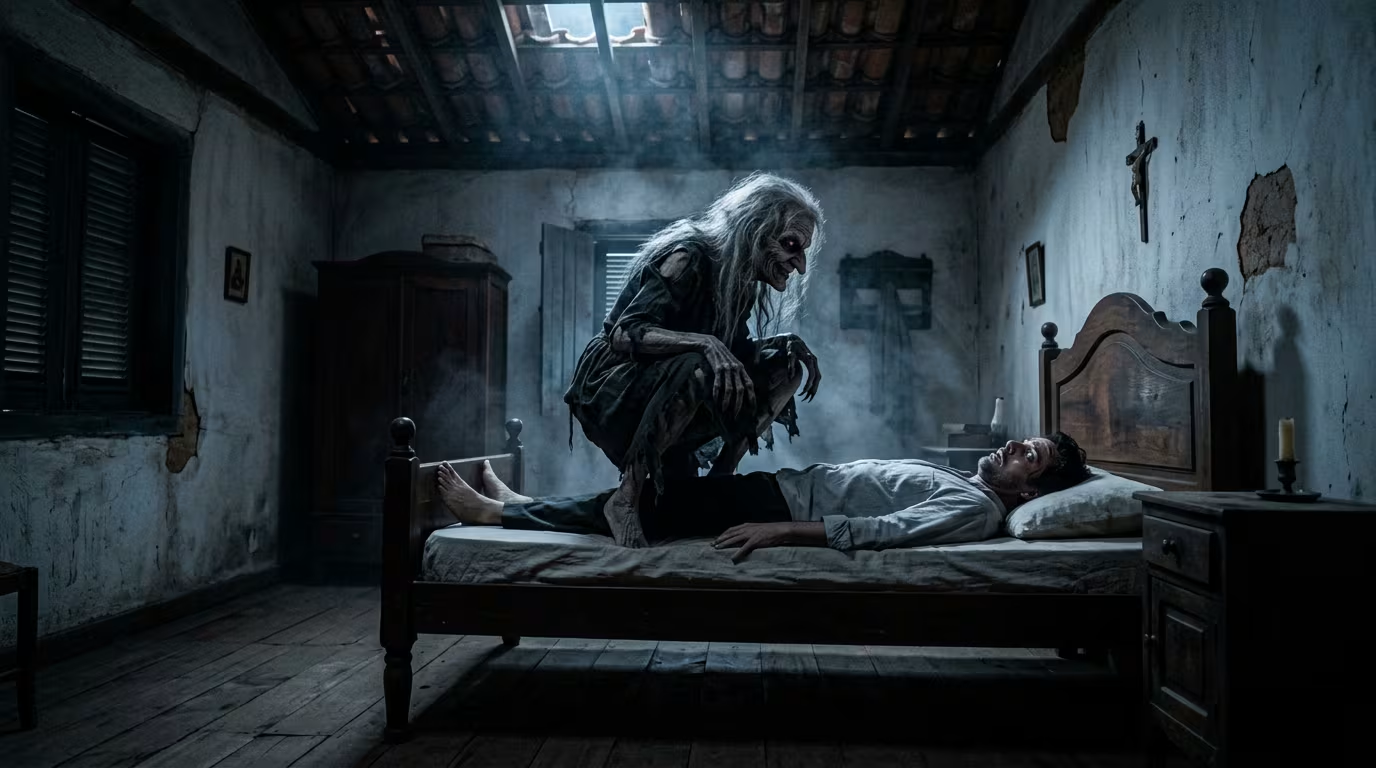
Let us speak of the everyday, of what happens when night falls in a suburb of Johannesburg or a rural village in KwaZulu-Natal. How does one know a Tikoloshe is prowling around their home? The signs are subtle, almost intimate, yet profoundly disturbing for those who endure them. Those who claim to have lived it speak of inexplicable scratches on the walls in the small hours, of stones falling on corrugated iron roofs though no one has thrown them, or of a sensation of pressure on the chest, as if an invisible weight were preventing you from breathing while you sleep. It is at this precise point that domestic architecture becomes a desperate refuge. The most widespread solution, passed down from generation to generation, is as simple as it is desperate: to raise the bed from the floor by placing bricks beneath each of its legs.
If the Tikoloshe is short, it cannot reach the mattress. If we raise the bed high enough, the spirit will wander frustrated beneath the wooden frame, unable to climb up to torment the sleep of the innocent.
This gesture, which to the eyes of an uninformed tourist may seem a mere eccentricity or a makeshift remedy against damp, is in truth a millennia-old ritual of protection. I have spoken with people who have spent decades living in modern cities, with internet access and cutting-edge technology, who still place bricks beneath their marital beds with absolute devotion. No matter how urbanized South African society becomes, the ancestral fear of the Tikoloshe survives in the gloom of bedrooms. When science fails to explain a sleep paralysis or a streak of persistent bad luck, the answer still lies in those blocks of fired clay that support the rest of thousands of families.
Why Does This Enigma Both Fascinate and Frighten Us?
Let us pause for a moment to reflect upon this. Why does such a diminutive, grotesque creature continue to command such profound fascination well into the twenty-first century? I firmly believe that the Tikoloshe embodies our most intimate fears: absolute vulnerability in the depths of sleep. When we close our eyes and lower our guard, our primitive brain remains alert, hunting for threats within the dark. Zulu folklore gave a face, a name, and a stature to that nocturnal dread. It is not merely a monster; it is the very personification of human envy, of the hidden resentments that fester within any community and which, according to belief, can curdle and materialize into the shape of an invisible goblin.
Throughout my investigations at Relatando.com, I have learned that the fantastic beings who endure across time are those that explain what reason refuses to confront. The Tikoloshe is not merely folklore; it is a mirror of our own collective shadows. It terrifies us to think that someone could wish us such harm as to invoke a creature of that kind, yet at the same time it comforts us to know that a physical remedy exists—tangible, within anyone's reach: a few bricks to gain height against the abyss. In the end, my friends, perhaps it is not a matter of believing blindly in African goblins, but of acknowledging that all of us, at some moment in our lives, have needed to raise our own bed a little higher just to sleep safe.
The myth of the Tikoloshe and the brick-propped beds stands as a fascinating reminder of how popular culture twists fear into domestic geography. It teaches us that the border between superstition and psychological survival is terrifyingly thin. As long as night and uncertainty endure, there will always be someone willing to slide yet another brick beneath their refuge.
📜Investigation • Frequently Asked Questions
Documentary Archive and Analysis of the Occult • Relatando.com
What is the documented historical or folkloric origin?
The Tikoloshe springs from the rich oral tradition of the Zulu people in southern Africa, widely documented by anthropologists and colonial chroniclers as a malevolent entity bound to witchcraft and communal feuds.
How does it manifest, or what are its primary characteristics?
It is described as a diminutive, hairy creature capable of turning invisible. Its manifestations include nocturnal noises, scratches on walls, a sensation of oppression while sleeping, and attacks upon people as they rest.
What cultural or psychological hypotheses account for this myth?
From the perspectives of psychology and anthropology, the myth is tied to the cultural explanation of sleep paralysis, night terrors, and the projection of neighborhood conflicts and envies within tightly knit communities.
What contemporary accounts or chronicles exist on the subject?
Even today, in rural areas and urban townships across South Africa, there are countless testimonies of people who keep the custom of placing bricks beneath the legs of their beds as a measure of real protection.
Do not extinguish the light yet...
If you have had the courage to make it this far, we have other dossiers that will test the limits of your sanity.

Terms and Figures of this Tale
To delve deeper into the legends, creatures, and dark concepts that inspire this account, consult their entries in our dictionary of the uncanny:



Tu correo no se publica ni se comparte con terceros: solo sirve para notificar la respuesta.