Bienvenidos a un nuevo viaje por los oscuros recovecos de la historia y el misterio en Relatando.com. Soy Carlos Nieto, y hoy nos adentraremos en las sombras de la República y el Imperio Romano para desenterrar los terrores más profundos que acechaban las cunas de los recién nacidos. En las noches sin luna de la antigua Roma, cuando las lámparas de aceite parpadeaban y las familias dormían protegidas únicamente por frágiles amuletos de madera y oraciones a los dioses lares, un aleteo nocturno anunciaba la llegada de la creature más temida por las madres: el stryx. No nos encontramos ante una simple Legend folclórica, sino ante una aberración alada, un pájaro vampiro dotado de una insaciable sed de sangre infantil que desafiaba los límites entre la zoología terrenal y la maldición sobrenatural. A lo largo de este exhaustivo análisis enciclopédico, diseccionaremos la naturaleza de esta entidad maldita, explorando sus orígenes grecolatinos, su metamorfosis literaria en las obras de Ovidio y Plinio el Viejo, los métodos desesperados que empleaban los romanos para proteger a sus infantes, y cómo esta criatura sentó las bases de los mitos vampíricos modernos que hoy conocemos en toda Europa Oriental y Occidental.
Classified File
- Origin: Mythology grecolatina (Antigua Grecia y Roma clásica).
- Nature: Corrupted spirit, a witch metamorphosed into a nocturnal bird of prey.
- Hazard Level: Extreme (Direct threat to the lives of infants and toddlers).
- Weaknesses: Purification rituals involving hawthorn branches, garlic, sacrificial animal blood, and priestly incantations.
Origin and Etymology
The term stryx (plural striges) sinks its etymological roots into the ancient Greek language (στρίγξ), derived directly from the verb strizzo, que significa chillar o ulular de forma estridente. Esta onomatopeya describe a la perfección el sonido característico que emitían estas criaturas al sobrevolar los tejados de las domus romanas. En su génesis helénica, el myth ya estaba fuertemente asociado a la metamorfosis monstruosa de mujeres acusadas de brujería o canibalismo que, mediante ungüentos mágicos y prácticas impías, abandonaban su forma humana durante las horas nocturnas para adoptar la apariencia de aves rapaces de plumaje oscuro, garras de bronce o hierro, y un pico desproporcionadamente afilado diseñado específicamente para perforar la piel tierna de los bebés y succionar su sangre vital.
With the expansion of Hellenistic culture into the Italian peninsula, the myth of the stryx grafted itself deeply into the religious and superstitious substratum of archaic and republican Rome. The Romans, fiercely obsessed with cosmic order (the pax deorum) and the preservation of the family nucleus, perceived these creatures as an intolerable existential threat. Classical authors such as Ovid, in his Fasti, and Pliny the Elder in his monumental Naturalis Historia, documented the existence of these fowl with a blend of horror and clinical fascination. Ovid vividly describes how the striges beset the nurseries, feeding voraciously upon the flesh and blood of children who had not yet undergone the purification of the rites of passage, leaving behind a wake of devastation and inconsolable grief for the afflicted households.

Anatomy and Appearance
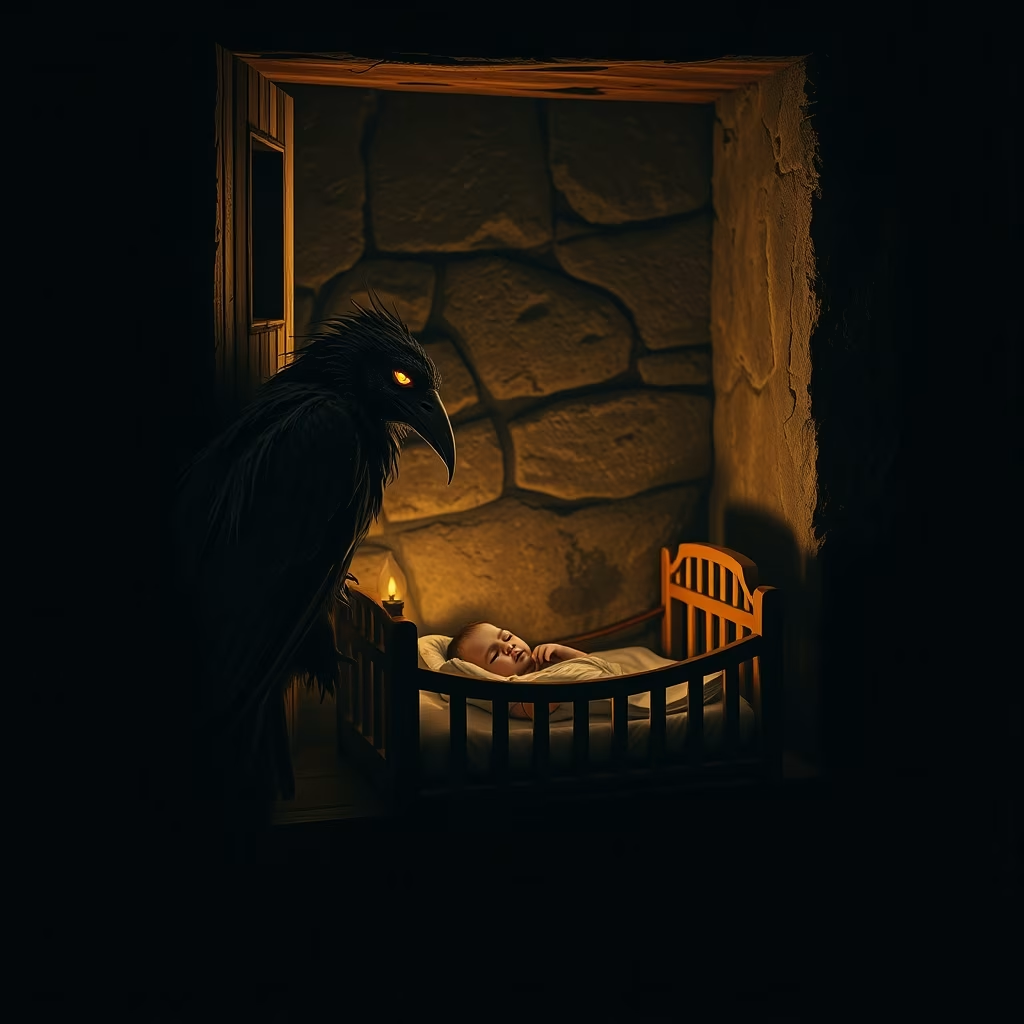
The morphology of the stryx stands among the most terrifying descriptions bequeathed by classical literature. It is no ordinary creature of the Mediterranean avifauna, but a grotesque chimera born of dark sorcery and the perversion of the human soul. Its bulk far exceeded that of any common owl or barn owl, boasting a wingspan capable of casting an ominous shadow over the narrow alleys of Rome. Its plumage was a pitch-black hue, harsh to the touch and reeking of rot and the grave—a direct reflection of its necrophagous and hematophagous diet.
Lo más perturbador de su anatomía, sin embargo, residía en su cabeza y extremidades. Aunque poseía la silueta general de un ave rapaz nocturna, sus ojos brillaban con una inteligencia malévola, casi humana, capaces de reconocer el dread en sus víctimas. Su pico no era curvo para desgarrar carne animal ordinaria, sino fino, alargado y rígido como un estilete quirúrgico, adaptado a la perfección para perforar las fontanelas y venas yugulares de los infantes sin despertarles. Las garras, descritas en numerosos testimonios epigráficos y literarios, eran largas, curvadas y extremadamente fuertes, capaces de desgarrar las pesadas cortinas de lino y las mantas de lana que cubrían las cunas de los recién nacidos.
Modus Operandi and Powers
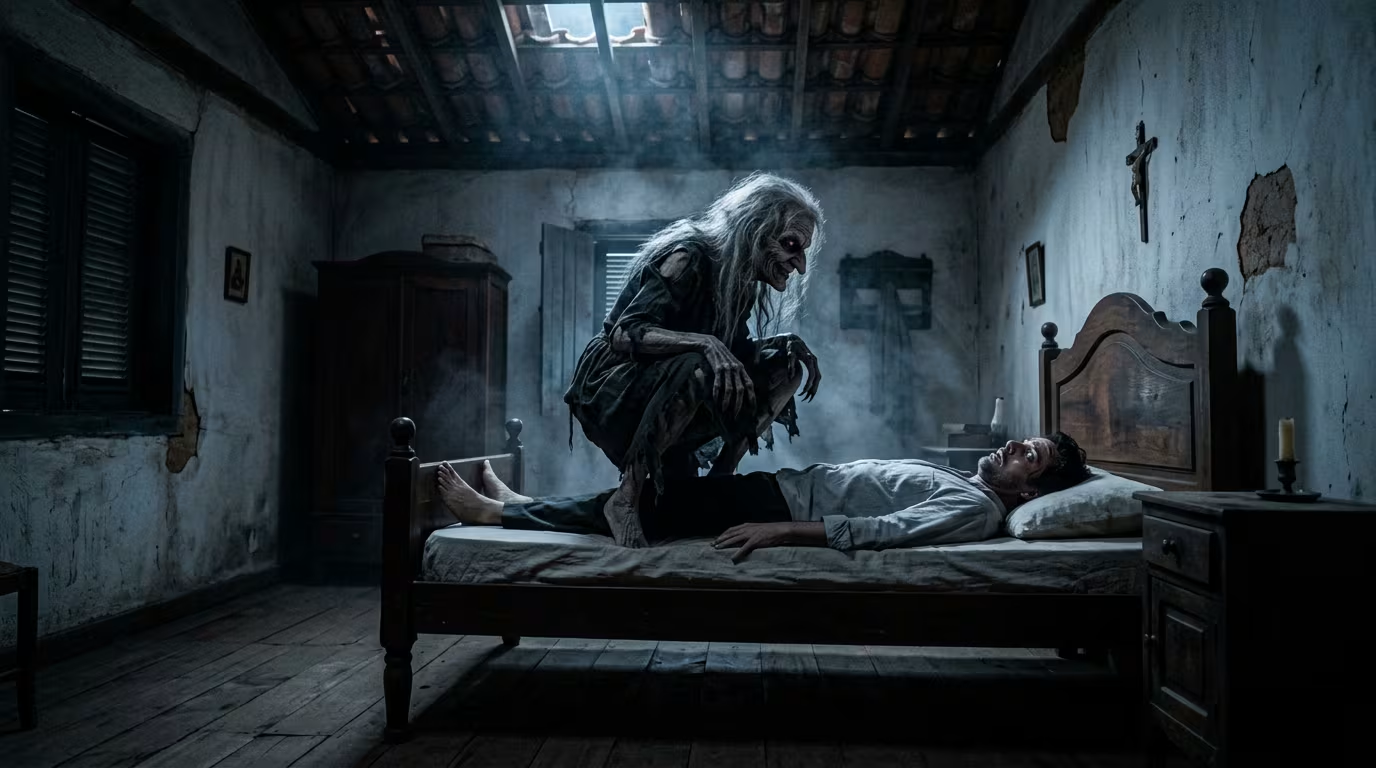
The predatory behavior of the stryx responded to a methodical and calculating pattern, always operating under the shelter of absolute darkness, preferably on moonless and starless nights that could betray its flight. According to the chronicles of the time, these creatures were capable of altering their form at will, reassuming a seemingly harmless appearance by day to pass unnoticed among the Roman citizenry, feigning to be elderly matrons, slaves, or local healers.
Among its most terrifying powers was the ability to induce a deep and irresistible lethargy in the parents and wet-nurses charged with watching the infant. While the family slept, plunged in an unnatural slumber induced by magical effluvia or hypnotic chants, the stryx would slip through the gaps in the roofs, the glassless windows, or the ventilation ducts. Once beside the cradle, the creature used its beak to drain the child's blood. It was firmly believed that if the stryx was interrupted during its feast, the consumed blood was regurgitated, but the damage inflicted upon the infant was lethal, provoking fulminant anemia, seizures, and, in the vast majority of cases, death within a matter of hours.
Weaknesses and Protective Rituals
Faced with such a supernatural and elusive threat, the Romans developed a complex system of apotropaism, meaning magical and religious practices intended to ward off evil. Roman families spared no expense to fortify the chambers where their children slept. One of the most widespread defenses consisted of hanging branches of whitethorn (spina alba) on the door and window frames, a plant deemed sacred and endowed with purifying properties capable of repelling evil spirits and shape-shifted witches.
Likewise, recourse was had to the placement of phallic bronze amulets, known as fascinum, or bells that tinkled with the nocturnal breeze, scattering the dark energies. The priests and augurs también prescribían rituales específicos de limpieza del hogar, que incluían libaciones de vino puro, sangre de animales sacrificados en los umbrales y la invocación de divinidades protectoras como la diosa Carna, protectora de las visceras y de los niños contra los ataques de estas aves vampíricas. La sal y el ajo, elementos que posteriormente heredarían las legends de vampiros medievales, ya hacían su apparition en estos contextos como barreras infranqueables para el stryx.
Documented Cases and Famous Legends
Although much of the information regarding the stryx stems from mythology and poetic literature, multiple references exist within the judicial and chronicle annals of the Empire demonstrating that the fear of these creatures was taken with absolute gravity by Roman authorities. The archives of the Republican era record trials against women formally accused of transforming into striges to prey upon their neighbors' children in vengeance for land disputes or petty personal grudges.
One of the most famous legends recorded by Ovid recounts the siege endured by the young Procas, a royal infant who would later become king of Alba Longa. According to the myth, the royal palace was besieged for several consecutive nights by these voracious birds attempting to snatch the heir's life. Only the timely intervention of the nymph Carna, armed with magical herbs and a purification ritual of lustral water and strawberry tree leaves, succeeded in decapitating and driving the creatures away for good, saving the line of succession that would eventually lead to the founding of Rome by Romulus and Remus.
Comparative Analysis
To grasp the true dimension of the stryx, a comparative analysis with other similar mythological creatures across global folklore is indispensable. The stryx is frequently confused with the traditional Balkan vampire or the strigoi . Yet, crucial differences define the singularity of each entity. While the vampire is a reanimated corpse crawling from its tomb in search of adult blood, the classic stryx is primarily a zoomorphic guise assumed by living human beings—typically women practicing dark arts—through profound metamorphosis.
Furthermore, unlike the lamias Greek, or the empusae, who seduced grown men only to devour them, the stryx se especializa exclusivamente en el infanticidio vampírico, ocupando un nicho terrorífico dentro del imaginario clásico. Esta distinción es fundamental para entender la evolución histórica del Horror: the stryx embodies the primal fear of childhood vulnerability and the corruption of the hearth, an archetype that outlived the fall of the Roman Empire to bleed into the legends of child-devouring witches across medieval and Renaissance Europe.
📜Investigation • Frequently Asked Questions
Documentary Archive and Analysis of the Occult • Relatando.com
¿Qué era exactamente el Stryx en la mitología romana?
It was a monstrous vampire bird, bound to shape-shifting witches, that took wing in the dead of night to drink the blood of infants and toddlers in ancient Rome.
¿Cómo se protegían los romanos de los ataques del Stryx?
Families hung white-thorn branches across doors and windows, wore warding amulets, and performed grim purification rites with salt and whispered prayers.
¿En qué se diferencia el Stryx de un vampiro moderno?
Unlike the traditional vampire—a reanimated corpse—the Roman Stryx was a living witch capable of shifting her flesh into the shape of a nocturnal bird.
Don't put out the light just yet...
If you have had the courage to make it this far, we have other dossiers that will test the limits of your sanity.

Terms and Figures of this Tale
To delve deeper into the legends, creatures, and dark concepts that inspire this account, consult their entries in our dictionary of the uncanny:






Tu correo no se publica ni se comparte con terceros: solo sirve para notificar la respuesta.