Cold sweat does not erupt by chance; it is the result of a precise formula, a macabre dance performed in absolute darkness between the narrator's mind and the reader's unfathomable abyss. Writing Horror is not merely piling up cheap scares or resorting to exposed entrails that satiate the crudest appetite. It is an exercise in psychological architecture, a precise design where every word acts as a bolt slowly sliding shut in a room with no exit, where every silence weighs tons and where the shadow cast upon the wall is infinitely more terrifying than anything monster exposed to the light of midday.
I. The Architecture of Shadow and Space
Before weaving the first line of our nightmare, we must understand that dread is a profoundly intimate territory. Universal terror does not exist; rather, there is a web of specific phobias and anxieties dwelling in the deepest cellars of the human psyche. To awaken that latent terror, the architect of the macabre must know their audience just as a surgeon knows anatomy before making the first incision. What do our readers fear? The absolute solitude of loss, the collapse of their own sanity, or the anonymous presence breathing on the other side of the closed door?
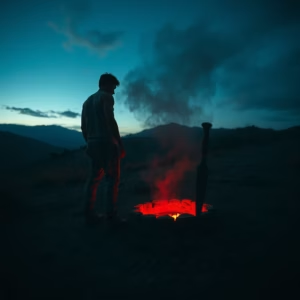
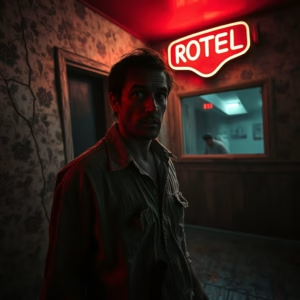
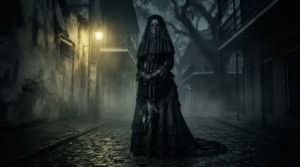
Atmosphere is neither a simple backdrop nor a decorative accessory to pad out pages; it is the very soul of the narrative, an incorporeal character walking alongside the protagonists, whispering omens into every corner. A storm-battered castle, a sterile and silent hospital corridor, or the groaning of aged timber in an abandoned house only take on palpable shape when we summon all five senses. It is not enough to mention that the air is frigid; we must make the reader feel the blade of frost piercing their marrow, hear the unmistakable scrape of fingernails dragging beneath floorboards, and inhale the sickly-sweet stench of rotting damp seeping from the wallpaper. The atmosphere breathes, stalks, and devours every shred of safety.

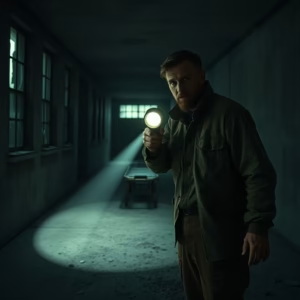
Tension, meanwhile, operates as that invisible thread drawing taut millimeter by millimeter until it reaches the exact breaking point. It is suspense elevated to the realm of fine art, the art of anticipation that keeps the reader's heart cowering, devouring the lines with a feverish urgency. Dosing this tension demands the steady pulse of a watchmaker: weaving in subtle clues, an out-of-tune melody echoing from the distance with no apparent source, a shadow stretching further than physically possible, or the erratic flicker of a dying lightbulb. Every turn of the screw increases the pressure, relentlessly dragging the reader closer to the edge of the precipice.
II. The Power of Suggestion and the Language of the Abyss
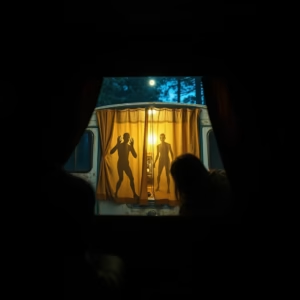
In the territory of horror, the reader's imagination becomes our most dangerous and efficient accomplice. We must never reveal everything at once. What remains concealed behind the gloom, what is merely hinted at through a fleeting reflection in a mirror or an inexplicable sound downstairs, will forever surpass in monstrosity any detailed anatomical description. True fear resides in the empty spaces that the reader's mind is forced to fill with its own repressed terrors. Describe the dread mirrored in a character's dilated pupils, the uncontrollable tremor in their fingers as they try to seat a key in the lock, or the cold sweat cutting channels down their spine. Force the reader to build their own monster.
True terror is not born from what breaks into the room, but from the absolute certainty that we should never have opened the door.
To convey this authored terror, we must command language and cadence with surgical precision. The rhythm of the prose must mimic the frantic beating of a cornered heart. We will alternate short, blunt sentences—sharp as blades—with dense, suffocating descriptive passages. The narrative tempo must accelerate during the chase, slow with agonizing weight during moments of false calm—only to plunge back into the void when we least expect it—and, above all, learn to wield silence. An absolute, sudden, and prolonged silence in the dead center of the narrative possesses a destructive capacity infinitely superior to the most harrowing scream.
Lastly, a true architect of nightmares is never content with the predictable startlement. The supreme objective is to disturb, to leave an indelible scar upon the reader's memory long after the book is closed and the bedside lamp is extinguished. Let us introduce twists that subvert normalcy, disfigure trust in our most loyal allies, and transform safe havens into death traps. Let us defy the conventions of the genre, for true horror—the kind that accompanies us home in the dark hours of the dawn—always dwells in the unpredictable, in that exact instant when reality fractures and forces us to question the validity of our own sanity.
III. The Legacy of Darkness
Writing horror is, ultimately, an act of literary exorcism. By casting light upon our deepest fears and shaping them through fiction, we manage to temporarily tame the beasts that stalk us in our waking hours. Each well-crafted tale is a reminder that darkness is not a mere absence, but an active presence patiently waiting for us to drop our guard. By mastering the art of atmosphere, tension, and suggestion, the creator becomes an architect of nightmares, capable of erecting cathedrals of shadow that will endure through time, echoing eternally in the memory of those brave—or foolish—enough to cross the threshold of our pages.

📜Investigation • Frequently Asked Questions
Documentary Archive and Analysis of the Occult • Relatando.com
What distinguishes the psychological terror of supernatural terror in literature?
Psychological horror exploits mental frailties, paranoia, and the collapse of the protagonist's sanity, whereas supernatural horror introduces inexplicable elements, phantom entities, or cosmic forces that defy the laws of physics.
Why is suggestion often more effective than the explicit description of the monster?
Because the reader's imagination is infinitely more creative and terrifying than any physical description provided by the author, projecting the personal phobias and nightmares of each individual into the vacant spaces.
How is narrative pacing utilized to heighten tension in a dark tale?
Alternating sentence length: employing short, biting phrases to simulate cardiac acceleration during moments of climax, and dense, unhurried descriptive paragraphs to build a claustrophobic atmosphere before the impact.
What role does the strategic use of silence play in a tale of dread?
Silence acts as a menacing void that shatters the predictability of sound, generating a profound sense of isolation and extreme vulnerability in the reader.
Do not extinguish the light yet...
If you have had the courage to make it this far, we have other dossiers that will test the limits of your sanity.

Terms and Figures of this Tale
To delve deeper into the legends, creatures, and dark concepts that inspire this account, consult their entries in our dictionary of the uncanny:

Tu correo no se publica ni se comparte con terceros: solo sirve para notificar la respuesta.