The metallic chill of the doorknob slides across my fingertips while the hallway darkness waits, crouched with the patience of an ancient predator that knows sooner or later we will yield to curiosity. There is an exact instant in horror literature, that suspended second between the blink and the revelation, where reality fractures to expose the abysses we carry in silence deep within our own psyche. Welcome to Relatando.com; fasten your mental seatbelts because today we descend into the catacombs of dread.
I. The Architecture of Shadow and the Crisis Simulator
Since the dawn of time, human beings have needed a dark mirror to stare ourselves straight in the eyes without perishing in the attempt to understand our own nature. The tales of Horror are not mere pastimes meant to quicken the pulse with cheap startles; they operate, at their deepest and most sophisticated level, as a perfectly controlled simulator of existential crisis. When we open the pages of a cursed book or plunge into a dense atmosphere of mist and whispers, we project our latent anxieties—invisible debts, urban solitude, the dread of decaying flesh and abandonment—onto extreme fictional landscapes.
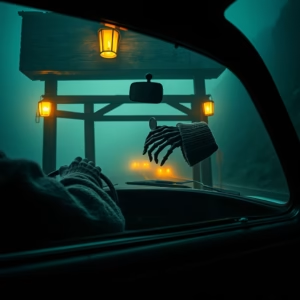
This aesthetic distance is our lifeline. By displacing horror into the realm of dark fantasy, the reader externalizes their most unmentionable subconscious fears. It is a rite of purification where the monster lurking in the attic or the emaciated figure peering through the window in the dead of night is nothing more than a grotesque mask dressing up our own contemporary neuroses. Literature allows us to process trauma and uncertainty without the actual danger of catastrophe, returning to us a strange sense of mastery over our own minds once we close the final page and switch on the bedside lamp.

Literary horror remains the sole sanctuary where we may embrace our own abysses without the fatal terror of falling into them forever.
Across the centuries, this art of psychological provocation has evolved in fascinating ways, mutating its forms yet keeping its archetypal purpose untouched: to destabilize the fragile, counterfeit security we construct each day to shield ourselves from the chaos of the world.
II. From Gothic Catacombs to Suburban Viscerality
The journey through the territories of written nightmare rests on foundational names that carved the bedrock of our collective paranoia. On one hand, we have the suffocating, Gothic tradition of Edgar Allan Poe—an undisputed master of mental claustrophobia, choking guilt, and internal rot. In Poe’s universe, horror rarely arrives as an external, monstrous entity; it is born from the deafening, phantom thud of a heart buried beneath floorboards, from the silent madness festering in darkened rooms where reason collapses under the weight of unconfessed crimes.
On the other hand, the genre's evolution drew us toward the modern, mundane viscerality of Stephen King, where the monstrous does not dwell in distant castles or God-forsaken European crypts, but violently breaches sunlit suburbs, desolate highway gas stations, or the dusty cellars of small towns where everyone knows your name. King democratized dread, proving that evil can wear the painted smile of a sewer-dwelling clown or the polished chrome of a possessed sedan. Yet, despite their aesthetic and temporal differences, both Poe and King share an identical anthropological goal: to remind us that normalcy is a brittle illusion—a paper-thin veil destined to tear.
Within this delicate machinery of suspense, the principle of omission plays a role infinitely more potent than any explicit description or sunlit monstrosity. The human psyche is vastly more creative and cruel in manufacturing terrors than even the most gifted writer.
III. The Power of the Hidden and the Triumph Over Panic
The finest horror tales toy masterfully with the reader's imagination through the calculated withholding of information. What remains unseen—what is merely hinted at by a settling beam overhead, a fleeing shadow at the edge of vision, or an unintelligible whisper in the gloom—instantly triggers the deepest evolutionary alarm bells of our reptilian brain. By refusing to grant the horror a definitive face, the author compels the recipient's mind to fill the voids with their own bespoke phobias, breeding a paranoia far more effective, intimate, and enduring than any fleeting visual jump scare.
It is precisely within that gray hinterland of uncertainty that the reader learns to confront their insecurities without allowing dread to paralyze them entirely. Experiencing terror in a controlled space trains us to accept the vulnerability inherent to the human condition. It teaches us that the dark is not a hollow void to be avoided at all costs, but a fascinating territory of self-discovery.
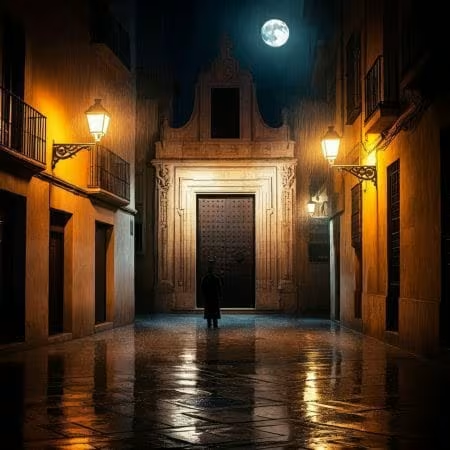
At the end of the journey, when the book rests closed upon the table and the room reclaims its habitual silence, we grasp the true magic of Relatando.com: well-crafted horror does not seek to terrify us for our destruction, but to remind us that we are capable of gazing into the abyss, enduring its cold stare, and returning to the surface with tempered souls, ready to face a new dawn.
📜Investigation • Frequently Asked Questions
Documentary Archive and Analysis of the Occult • Relatando.com
In what ways does the horror genre operate as a safe, cathartic mechanism against contemporary neuroses?
Literary horror functions as a regulated simulator of existential crises. By projecting our latent anxieties onto extreme fictional landscapes, the reader externalizes their subconscious terrors, allowing the psyche to process trauma without actual peril.
How do the gothic traditions of Edgar Allan Poe intertwine with the modern viscera of Stephen King within the architecture of fear?
It bridges the claustrophobic, psychological atmosphere of Poe—anchored in inner guilt—with the visceral, suburban realism of King, where the monstrous violently breaches the mundane, both conspiring to destabilize the reader's false sense of security.
Why does the principle of omission and the hidden prove more disturbing to the human psyche than the explicit exposure of the monster?
Because it triggers the deepest evolutionary mechanisms of alarm. By denying the horror a definitive face, the reader's mind fills the void with its own bespoke terrors, breeding a far more potent paranoia.
How do folklore and tradition react to the human need to tell horror stories?
Do not extinguish the light yet...
If you have had the courage to make it this far, we have other dossiers that will test the limits of your sanity.

Terms and Figures of this Tale
To delve deeper into the legends, creatures, and dark concepts that inspire this account, consult their entries in our dictionary of the uncanny:



Tu correo no se publica ni se comparte con terceros: solo sirve para notificar la respuesta.