The pre-dawn chill bites at the edges of the windowpanes with the insistence of a wraith desperately seeking a corner to stop weeping. Outside, the wind moans against the chimney like a wounded beast dragging its agony through the dead grove. Inside, sitting before the dying embers that barely cast a reddish flicker across the walls, I hold in my hands a volume bound in cracked leather whose pages smell of damp earth and secret the forgotten. It is no caprice of chance that I chose this accursed hour to descend, once more, into the unrelenting territory of horror stories.
I. The Anatomy of Primal Fear
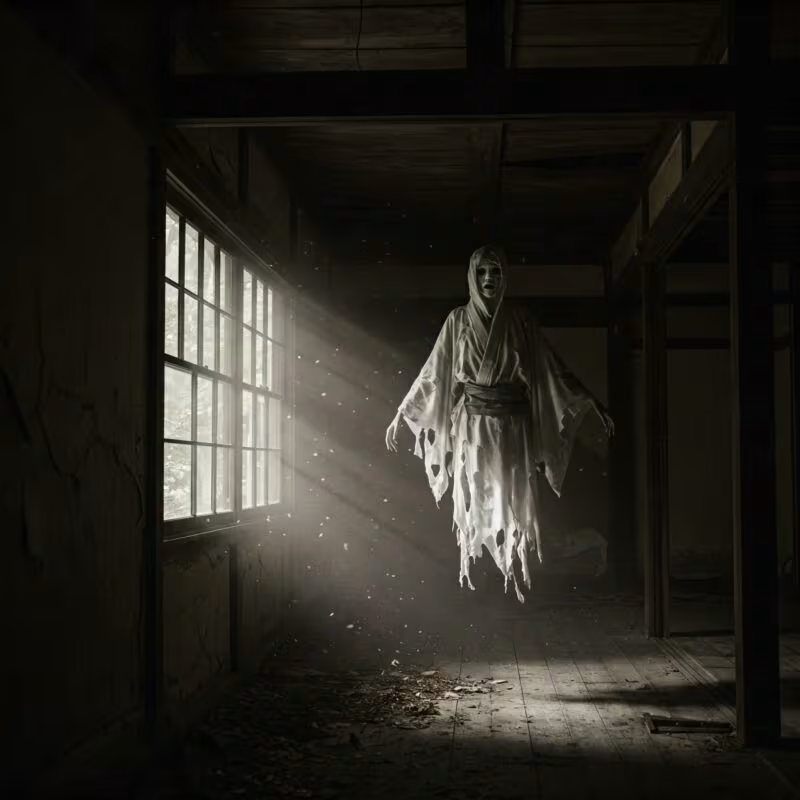
There is something undeniable about the density of shadows, that thick silence broken only when the hearthwood snaps with a dry crack. In those moments, the human mind becomes a fragile structure, infinitely vulnerable to the terrors crouched in the corners of our own consciousness. The corners of the room cease to be mere architectural angles and become thresholds; the coat racks adopt human silhouettes that watch, that wait, breathing with a mineral patience.
Yet true Horror, the kind that transcends the cheap startles of monsters carnival haunts hidden beneath the bed, sinks its roots into far deeper, more archaic ground. It is the absolute vertigo before the unknown, the instinctive revulsion at the irremediable loss of control, and the agonizing certainty of our minute fragility against the vastness of the cosmos. We understand, with an ice-cold knot in our throats, that we are ephemeral creatures, temporal castaways suspended over an abyss of uncontrollable chaos and destruction.

Terror is the dark mirror where our soul dares to gaze upon what the daylight strains so hard to hide.
And yet, despite this acknowledgment of our weakness, we feel ourselves magnetically drawn toward the abyss. We desperately seek out those narratives that make us shiver beneath the blankets, that rob us of sleep and force us to glance over our shoulders in hallways we have walked a thousand times. What dark mechanism drives us to seek out voluntary torment?
Perhaps the answer lies in the visceral need to feel intensely alive. dreadin its purest and sharpest state, acts as an electric shock that rattles the torpor of everyday existence. It demonstrates to us, in the most violent way possible, that we are here, throbbing, with warm blood pumping through our veins, capable of experiencing absolute emotions that defy routine.
II. The Shattered Mirror of the Psyche
Literary and cinematic horror functions as an unrelenting spotlight aimed at the darkest basements of our psyche. It is the clandestine laboratory where we dissect anxieties we dare not confess in the broad light of day. Through fiction—through the safety granted by printed pages or the flickering screen—we permit ourselves the macabre luxury of confronting our own demons without suffering the final destruction of the flesh.
Experiencing horror by way of a well-crafted tale grants us a protective shield. We can wander through blood-soaked corridors, listen to the whispers of incorporeal entities, or witness madness devouring the protagonists, knowing that upon closing the book we can click on the lamp and return, outwardly at least, to the placidity of our safe world. But the brand has already been burned deep into the mental fabric.
The genre's finest creations are never satisfied with the cheap scare; they operate like scalpels slicing open universal and disturbing themes: physical decay, pathological grief, latent domestic violence, and the fathomless void of madness. They force us to think, to pause at the edge of the precipice and peer down into the depths of our own nature.
III. Fire and Legend
The night advances, devouring the minutes, and the shadows stretch grotesquely across the carpet as I continue to devour the lines of this accursed compendium. The book recounts the horrors that took place in a weed-choked manor deep within an ancient forest, a place where the laws of physics and memory disintegrate. And as I read, I understand the millenary lineage to which I belong.
Ever since our most remote ancestors clustered around the trembling fire amid the frozen steppe, the horror tale has been both our refuge and our warning. legends about vengeful spirits, deities ravenous for sacrifice, and cursed landscapes were born from the imperative urge to give a name and a face to the inexplicable. Those tales, passed from mouth to mouth in voices choked by panic, wove the folklore of entire civilizations.
Today, seated in my armchair as the storm lashes against the panes, I still hear the echo of that primordial bonfire. The medium has changed, technology and art have evolved, but the core remains unaltered. We need to be told dark stories to remind ourselves that, despite all our illumination, the world still harbors fathomless mysteries we can never tame. And in that abyss, at the end of the descent, we find not only dread; we find a strange and agonizing beauty as well.
📜Investigation • Frequently Asked Questions
Documentary Archive and Analysis of the Occult • Relatando.com
What is the true anthropological origin of horror stories?
They were born from the primal human need to explain lethal and inexplicable natural phenomena, channeling fear through the myth and the communal bonfire.
Why does the human brain voluntarily seek the stimulus of fear?
From a neuropsychological perspective, horror fiction triggers controlled releases of adrenaline and dopamine, allowing us to process real-world anxieties within a secure environment.
How have the themes of horror evolved throughout history?
They shifted their focus from mythological monsters and folkloric spirits to explore internal psychological horrors, dehumanizing technology, and the crisis of identity.
What role does atmosphere play in the effectiveness of a dark narrative?
The atmosphere acts as the hypnotic vehicle that suspends the reader's disbelief, plunging them into a state of vulnerability where the physical environment blurs into fiction.
Don't extinguish the light just yet...
If you have had the courage to make it this far, we have other dossiers that will test the limits of your sanity.

Terms and Figures of this Tale
To delve deeper into the legends, creatures, and dark concepts that inspire this account, consult their entries in our dictionary of the uncanny:

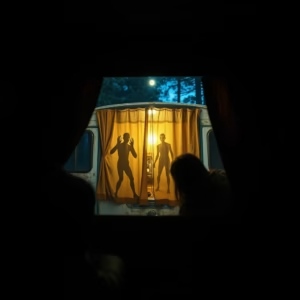
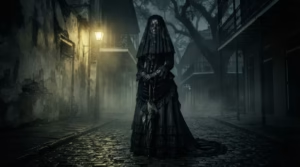
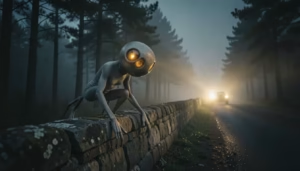
Tu correo no se publica ni se comparte con terceros: solo sirve para notificar la respuesta.