The Alp of the Bavarian Alps is a phenomenon phenomenon of alpine origin describing a mysterious oppression in the chest experienced during nighttime rest, closely tied to the folklore of nocturnal creatures that squat upon the bodies of sleepers and block their breath.
The Origin of the Myth and the Earliest Chronicles
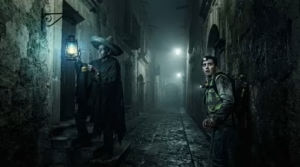
Friends of Relatando, to venture into the deepest folds of the Bavarian Alps is not merely to walk paths where nature carves postcard landscapes; it is also to enter a territory where time seems to have stopped, preserving intact the legends our ancestors feared to name aloud when night fell. Imagine for a moment that you are there, in a cabin of dark wood, surrounded by the sepulchral silence of the mountain, when suddenly the temperature drops at a stroke and an invisible shadow crosses the threshold of the room. It is not a draft of icy air; it is something far denser, an almost tangible presence that glides stealthily toward your bed.
For centuries, the inhabitants of these rugged regions have passed down from generation to generation tales of the Alp, an entity or supernatural force that dwells in the most inaccessible peaks and descends under cover of darkness to torment the unwary. The oldest chronicles, handwritten in the dusty archives of forgotten Bavarian monasteries, already spoke of this nocturnal terror. These were not mere childhood nightmares born of overeating or the exhaustion accumulated after a long day of hunting or shepherding; local chroniclers described a physical experience utterly real and anguished: an oppressive pressure on the chest, a titanic weight that prevented the lungs from expanding, accompanied almost always by a temporary paralysis of the limbs and an overwhelming sensation of pure terror.

Think of what it must have meant for a medieval mountaineer, utterly cut off from the outside world, to confront this phenomenon armed with no intellectual tools other than faith and folklore. To them, the Alp was neither a neurological metaphor nor a sleep disorder; it was a tangible entity, a goblin or demon mountain dweller that sat with total impunity upon the chest of its victim, savoring the cruel nuance of their inability to scream or cry for help. This personification of the dread nocturnal dread served both to explain the inexplicable and to instill a profound, chilling respect for the untamable forces of the alpine wilderness. After all, the Bavarian Alps were never a hospitable place for humankind; they are titans of stone and ice that merely tolerate our fleeting presence before abruptly reminding us of our utter fragility.
Signs, Encounters, and Documented Testimonies
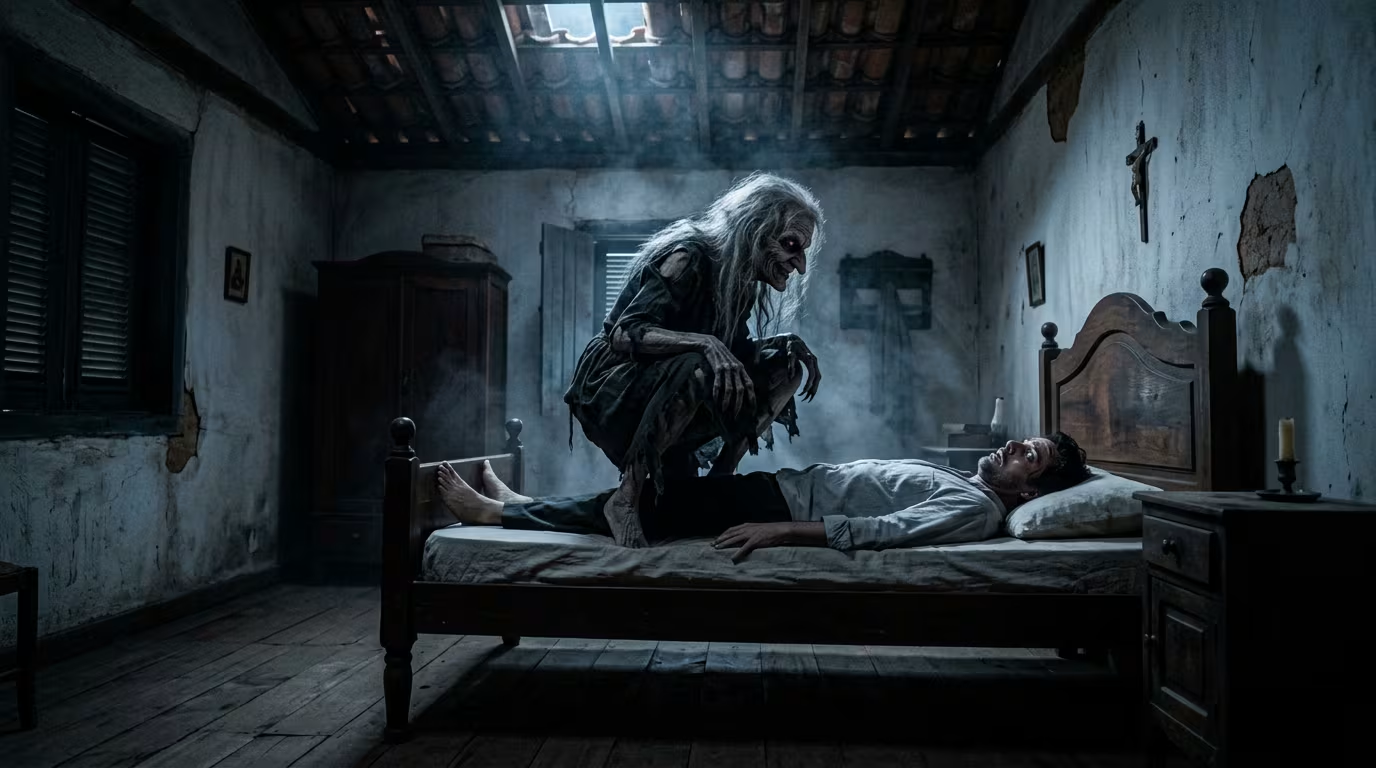
When one compiles the accounts of those who claim to suffer the onslaught of the Alp today, it becomes chillingly clear that the patterns have barely shifted across the centuries. Those who endure this ordeal almost invariably agree on a sequence of deeply unsettling events. It usually begins with a bizarre, distorted transition between wakefulness and sleep. The sleeper feels themselves wake, yet perceives their surroundings with a terrifying, hyper-real clarity, frequently accompanied by a low ringing in the ears or the settling groans of the bedroom floorboards. That is the exact moment when the air turns heavy and suffocating. The pressure on the chest makes its apparition unrelenting arrival, as though a heavy slab of granite had been placed directly upon the ribs.
I heard a hoarse, heavy breathing right beside my pillow, and felt an unbearable weight upon my chest slowly suffocating me, while I tried to scream my wife's name and my throat refused to make any sound at all.
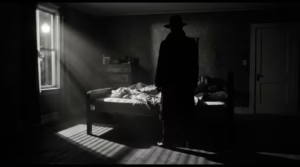
This testimony, gathered from a modern hiker in a cabin near Berchtesgaden, reflects with absolute fidelity the very essence of what it means to cross paths with the myth Alp. What is both fascinating and deeply terrifying about these encounters is the grim consistency of their sensory details. Victims speak not only of asphyxiation and paralysis, but frequently mention the absolute, sickening certainty that someone else shares the room—a hostile presence lurking in the doorway or standing right at the foot of the bed. The oldest villagers, those who still cling to the old remedies whispered by their grandparents, swear that to ward off these nocturnal visitations one must leave protective amulets near the headboard, or even point their hiking boots outward toward the door to confuse the creature.
Despite modern science's attempts to label all of this under the cold clinical umbrella of sleep paralysis —explaining that the brain wakes before the body regains muscular control, provoking hypnagogic hallucinations—the subjective experience retains a profoundly enigmatic character. How is it possible that so many different people, separated by decades of history, experience exactly the same sensation of menacing presence and thoracic oppression? Is it perhaps a universal biological response to ancestral fear, or are we tuning into frequencies of reality that escape our rational understanding? The mountain guards its secrets jealously, and the Alp still lurks on moonless nights.
Why Does This Enigma Both Fascinate and Frighten Us?
At this point, dear reader, we cannot help but wonder why legends of this kind continue to exert such a powerful hold over our imagination. We live in a hyperconnected age, where science and technology promise to provide a satisfactory answer for almost any mystery in the universe. Yet we still feel a strange fascination for what terrifies us, for those dark corners where logic crumbles and gives way to the most absolute mystery. The Alp of the Bavarian Alps represents precisely that: the personification of our most intimate vulnerability. When we close our eyes at night and surrender to sleep, we voluntarily relinquish control. We become helpless beings, and tales like this remind us that there is always the possibility that something unknown may cross the border between fantasy and reality.
There is something profoundly human in the need to give a face and a name to our deepest terrors. A pain in the chest at night may be nothing more than a bad posture or heartburn, but to transform it into the footprint of an ancestral creature is to turn a purely physiological discomfort into a mythic adventure. It allows us to transcend the banality of daily life and connect with a broader dimension, where the world is peopled by invisible forces that watch us, weigh us, and sometimes challenge us. At Relatando, we have always maintained that these stories are not mere superstitions of the past, but scars in the collective memory of humanity, constant reminders that reality is far more complex and strange than we dare admit in the full light of day.
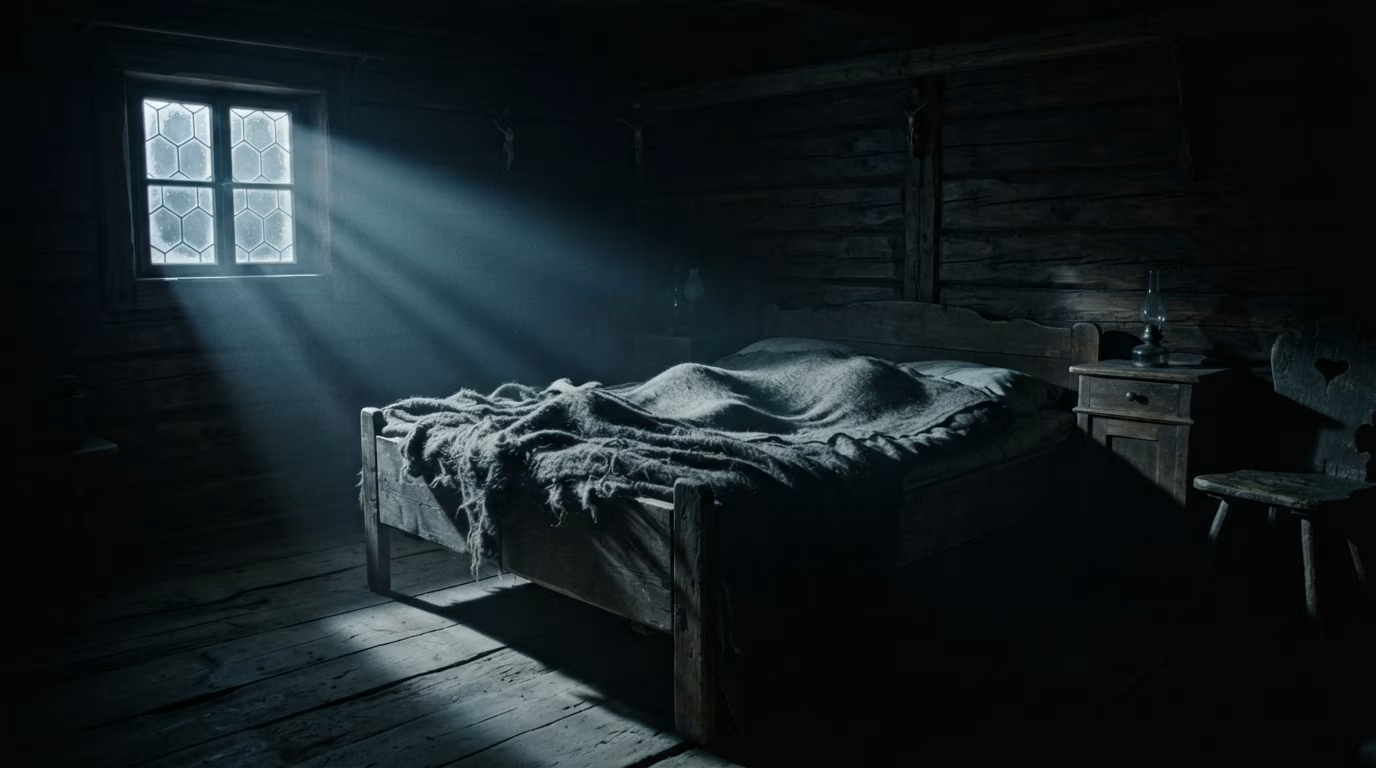
And so, the next time you find yourself treading an alpine trail, or when you are forced to spend the night in a silent room and notice the air growing unnaturally dense, remember the old Bavarian shepherds. Take a deep breath, smile at the lingering echo of the Legend and accept that, if only for a few suffocating moments, you have become part of that ancient, eternal dance between humanity and the unknown that still beats fiercely in the heart of the peaks.
📜Investigation • Frequently Asked Questions
Documentary Archive and Analysis of the Occult • Relatando.com
What is the documented historical or folkloric origin?
The Alp is rooted in the folklore of the Bavarian and Germanic Alps, where medieval chronicles and oral accounts document it as a creature or invisible force that torments sleepers through the night.
How does it manifest, or what are its primary characteristics?
It manifests chiefly as an intense, oppressive pressure on the chest that makes breathing difficult, accompanied by a temporary paralysis and the unwavering sense of a hostile presence in the room.
What cultural or psychological hypotheses account for this myth?
While folklore attributes this to elemental mountain spirits, modern science links it to episodes of sleep paralysis and hypnagogic hallucinations experienced during the resting phase.
What contemporary accounts or chronicles exist on the subject?
There are numerous accounts from hikers and locals in regions such as Berchtesgaden describing identical patterns of nocturnal suffocation and the perception of threatening shadows at the edge of the bed.
Do not extinguish the light yet...
If you have had the courage to make it this far, we have other dossiers that will test the limits of your sanity.

Terms and Figures of this Tale
To delve deeper into the legends, creatures, and dark concepts that inspire this account, consult their entries in our dictionary of the uncanny:


Tu correo no se publica ni se comparte con terceros: solo sirve para notificar la respuesta.