Iron leaves a metallic trace at the back of the throat, a heavy, dense reminder that we are alive, that every heartbeat is a pulse against the void of nothingness. A mere nick on the fingertip, a scarlet drop welling slowly across pale skin, is enough to bring the entire world to a halt. In that exact instant, the gaze anchors to the red with a hypnotic fixation. There is no power on earth capable of drawing the eyes away from that small crimson sphere.
I. The Primordial Pulse
Since the very dawn of human consciousness, blood has been revered not merely as a liquid tissue, but as the absolute vessel of the vital spark. Flowing through our veins is the exact same dense, saline nectar that coursed through the bodies of our ancestors in the deepest, lightless caves—an unbroken legacy of survival defying the millennia. When we gaze upon blood, whether our own or that of another, we contemplate the subterranean river that sustains our fleeting existence.
Plunging into this ancient connection awakens a profound echo in the most inaccessible recesses of the brain. This is not merely biology or forensic hematology; it is an atavistic recognition. Ancient cultures understood that spilling this fluid was the liberation of the soul itself—a silent pact with the unseen forces that governed the harvest, war, and peace. In the initiation rites of countless tribes forgotten by maps, mingled blood sealed destinies and fused lineages into a single flesh.

The iron in our blood is the metallic echo of stars that died so that we might pulse within the gloom.
II. Myth and Odyssey
Throughout the centuries, human storytelling has turned blood into the absolute protagonist of its most memorable tragedies and epics. In the Mythology Greek epic, Jason embarked on an impossible voyage to Colchis to wrest away the Golden Fleece, a treasure whose supreme value lay in being imbued with the blood of a god. It was not gold the Argonauts sought; it was the very substance of immortality, the incorruptible power of the divine rendered fluid.
And stepping into the dark alleys of Gothic literature, blood transforms into the axis of the darkest, most forbidden desire. Count Dracula does not seek the death of his victims; he seeks to quench an infinite thirst for life that can only be transferred through the bite and the scarlet exchange. In vampirism, blood is simultaneously poison and salvation, original sin and the ultimate communion with eternity.
III. The Science of the Scarlet Tissue
Beyond the Legend and the myth, science has unraveled with surgical precision the secrets of this liquid tissue. From the erroneous theory of the humors formulated by Hippocrates—where blood governed the sanguine, passionate, and volatile temperament—to the revolutionary discovery of blood groups by Karl Landsteiner in 1900, humanity has strived to map the flow of life.
Today we know that blood transports oxygen, defends against microscopic invaders, and silently repairs damaged tissue. Transfusion medicine has succeeded in turning this fluid into a direct bridge between life and death, allowing a stranger to reignite the light within a failing body. Yet even in the coldest operating theater, beneath the stark white glare of surgical lamps, blood retains its aura of solemn mystery.
Science measures blood cells, pH levels, and clotting factors, yet remains powerless to explain why we are paralyzed at the sight of it welling up unbidden.
IV. The Emotional and Spiritual Seal
In art and poetry, blood transcends its anatomical function to become the ultimate metaphor for passion and sacrifice. The words of William Shakespeare in Romeo and Juliet spring to life when the lovers seal their tragedy with a blood pact that defies even death. Blood ties are, within the collective imagination, the hardest to sever; it is commonly said that blood weighs heavier than the water of rivers and oceans.
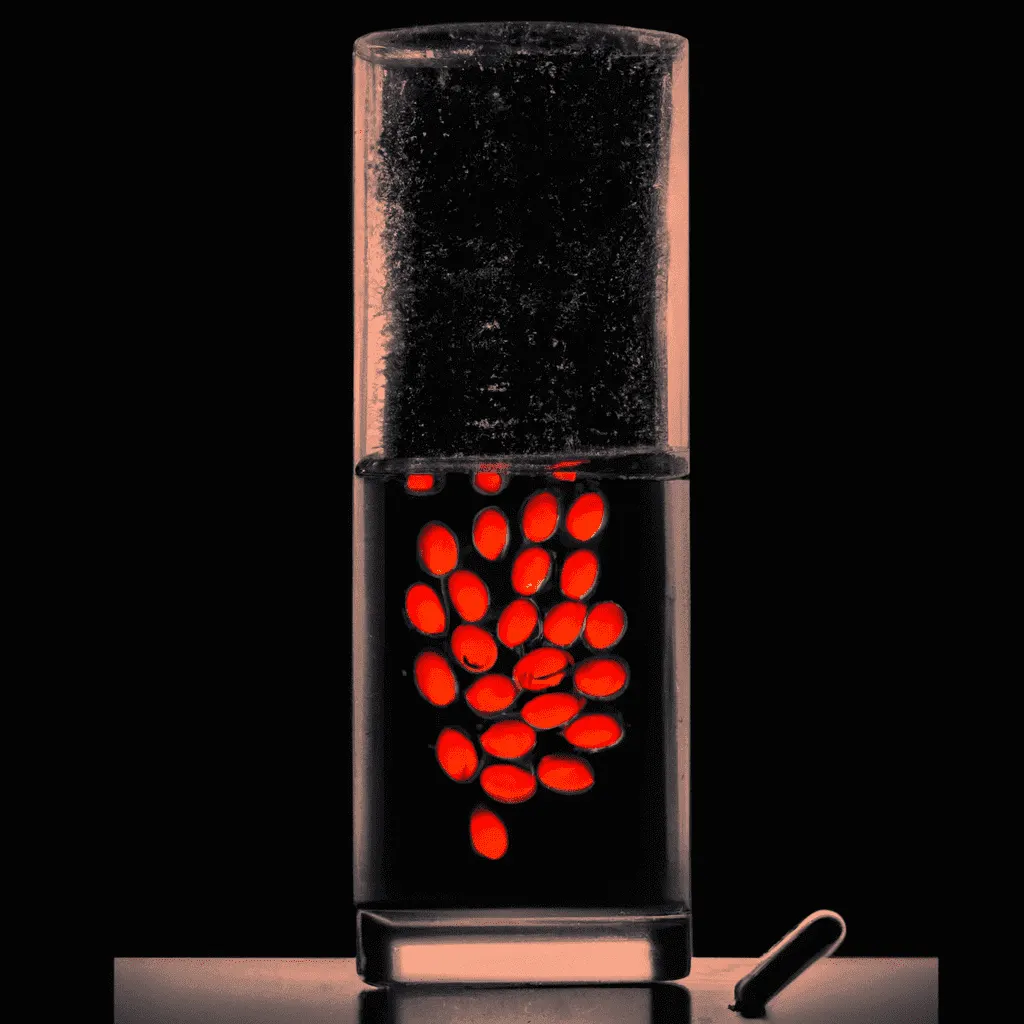
That irresistible pull we feel toward blood is, ultimately, the recognition of our own profound fragility. It fascinates us because we know, with instinctive certainty, that we are brittle vessels and that the line between life and the void is as thin as a scalpel's edge. When we stare at blood, we are looking directly into the eyes of our own mortality.
📜Investigation • Frequently Asked Questions
Documentary Archive and Analysis of the Occult • Relatando.com
Why do human beings experience such an intense pull at the sight of blood?
From an evolutionary and psychological standpoint, blood triggers a state of red-alert and an atavistic recognition of vital vulnerability, combining the dread with a hypnotic fascination.
What role does blood play in mythology and universal legends myths?
In mythology, blood is deemed the vehicle of the soul, the elixir of immortality, and the pivotal element for sealing sacred pacts or eternal curses, as witnessed in heroic myths and vampiric folklore.
How did Karl Landsteiner's discovery alter our understanding of this fluid?
Karl Landsteiner discovered blood groups (the ABO system) in 1900, transforming medicine by enabling safe transfusions and illuminating the biological compatibility between human beings.
Is there any scientific explanation for the common adage 'blood is thicker than water'?
Although lacking a literal physical basis in fluid density, the phrase reflects a profound anthropological and cultural construct concerning familial loyalty and ancestral genetic ties.
Do not extinguish the light just yet...
If you have had the courage to make it this far, we have other dossiers that will test the limits of your sanity.

Terms and Figures of this Tale
To delve deeper into the legends, creatures, and dark concepts that inspire this account, consult their entries in our dictionary of the uncanny:






Tu correo no se publica ni se comparte con terceros: solo sirve para notificar la respuesta.